

To Buy Flagyl Online Visit Our Pharmacy ↓
 Flagyl Interactions: Medicines, Alcohol, and Food Warnings
Why Flagyl Interactions Matter for Patients
Flagyl interactions matter because even a familiar prescription can behave differently when it meets other medicines, drinks, or supplements. For patients, that can mean an expected treatment becomes harder to tolerate or less effective than planned. Knowing about possible interactions helps people avoid surprises and stay on track with the care their clinician intended.
Some combinations can affect how the body processes Flagyl, while others may increase the chance of side effects. That is why it helps to share a complete medication list, including over-the-counter products and herbal items, before starting treatment. A quick conversation can prevent avoidable problems and give patients more confidence.
| What to mention | Examples |
|---|---|
| Prescription drugs | Any regular medicine |
| Over-the-counter products | Pain relievers, cold remedies |
| Supplements | Vitamins, herbs |
That simple step can make the difference between a smooth treatment course and a frustrating setback.
Common Medicines That May Interact with Flagyl
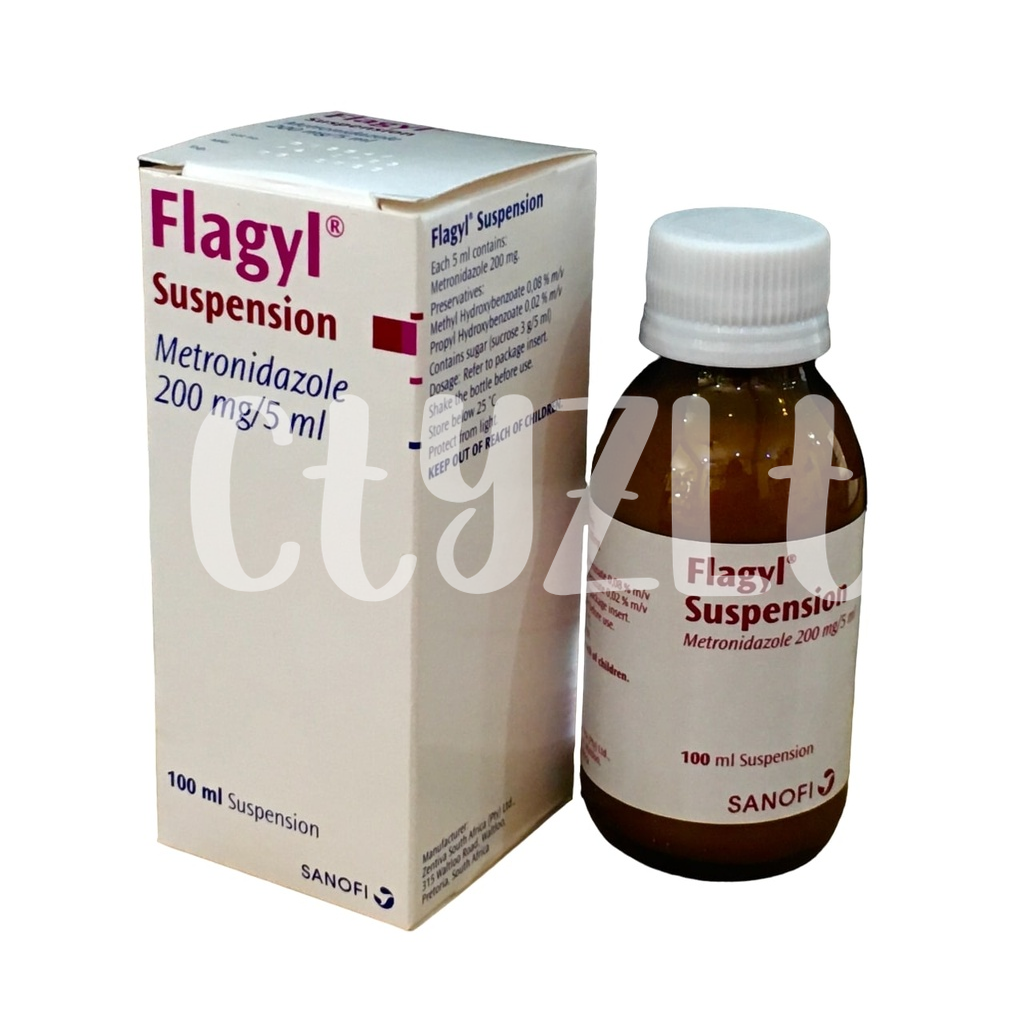
Flagyl can interact with several common medicines, so it helps to share your full medication list with a clinician or pharmacist. Blood thinners like warfarin may need closer monitoring, since combined use can affect bleeding risk. Some seizure medicines, lithium, and certain antibiotics may also require extra caution. Even over-the-counter products and herbal supplements can matter, especially when you are taking more than one prescription.
If you use diabetes medicines, antacids, or treatments for stomach problems, ask whether timing or monitoring should change. The safest approach is to keep an updated list of every pill, capsule, and liquid you take, including vitamins. That simple step can help prevent side effects, avoid unexpected interactions, and make flagyl treatment smoother.
Alcohol Warnings and Hidden Sources to Avoid
If you’re taking flagyl, alcohol can catch you off guard even in small amounts. It’s not just beer, wine, or liquor that matter. Some cough syrups, mouthwashes, and over-the-counter cold products may contain alcohol too. That means a quick label check can save you from trouble.
A restaurant dessert or sauce may also include spirits, and kombucha or certain “hard” drinks can be surprising sources. When in doubt, ask before you sip or swallow. Even products used as a rinse or flavoring can matter if they contain alcohol.
Food and Beverage Issues to Watch for
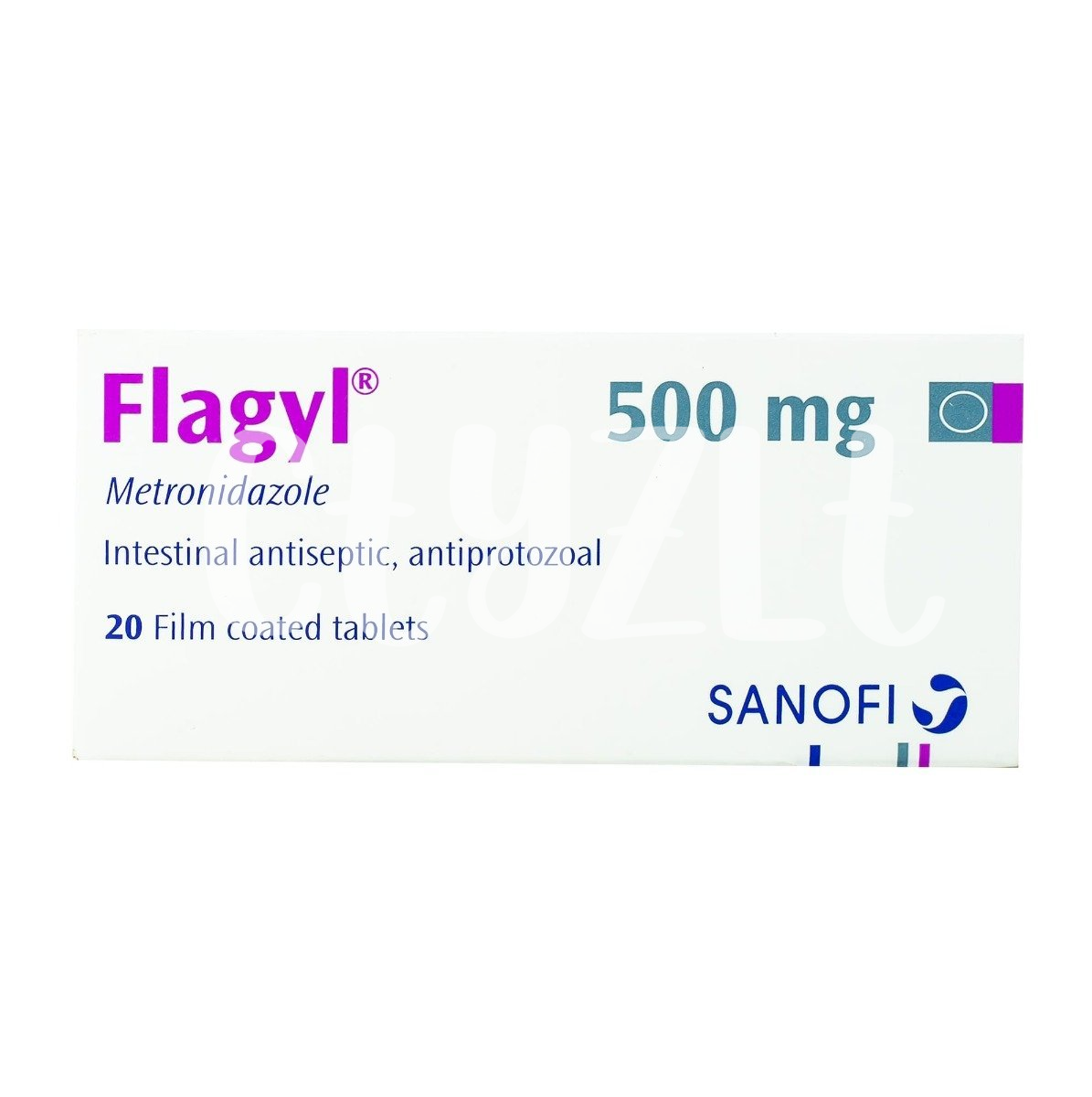
When taking Flagyl, meals and drinks can matter more than many people expect. Some patients feel nausea, stomach upset, or a metallic taste, so bland foods, smaller meals, and plenty of water may make the medicine easier to tolerate. Reading labels also helps, since some beverages, protein shakes, and “wellness” drinks contain ingredients that can bother an already sensitive stomach.
It’s smart to check for unusual additives in smoothies, supplements, and flavored drinks, especially if you’re not feeling well. If a food or beverage seems to trigger discomfort after a dose of flagyl, pause and ask a pharmacist what is safe. A quick label review can prevent avoidable side effects and help treatment stay on track.
Timing Questions: Separating Flagyl from Other Drugs
When you take flagyl with other prescriptions, the exact timing can matter just as much as the medicines themselves. Some drugs may need to be spaced apart to lower the chance of side effects, while others are best taken on a steady schedule so your body gets a consistent amount. If you use antacids, supplements, or over-the-counter products, check whether they should be separated from flagyl by a few hours. Small timing changes can help prevent stomach upset, poor absorption, or confusing mix-ups.
| Common Situation | What to Ask |
|---|---|
| Prescription medicines | Should flagyl be taken at the same time or spaced apart? |
| Vitamins and supplements | Do minerals or fiber products affect timing? |
| Over-the-counter products | Is there a safer time to take them? |
If your schedule is complicated, a pharmacist can help you build a simple routine that fits your day. Keep an updated list of everything you take, including as-needed products, and ask before making changes. That quick check can save you from avoidable interactions.
When to Ask a Pharmacist or Doctor
If you take other prescriptions, supplements, or over-the-counter products, a pharmacist can quickly spot possible Flagyl interactions before they become a problem. This is especially helpful if you use blood thinners, seizure medicines, or diabetes drugs.
Call your doctor if you develop nausea that won’t ease, unusual dizziness, numbness, or a rash. Share your full medication list, including vitamins, herbals, and any alcohol use, so advice is based on the whole picture.
Ask before starting anything new, even a cold remedy or antacid. Small changes in timing or a temporary pause may be safer than guessing, especially if you have liver disease or a history of medication reactions.
https://herwellnesshealthcenter.com/wp-content/uploads/2024/02/jpg/zoloft.html https://physiciansalliance.com/wp-content/uploads/2025/07/png/order-diclofenac.html https://reposeusa.com/wp-content/uploads/2025/09/html/purchase-pregabalin.html