

To Buy Doxycycline Online Visit Our Pharmacy ↓
 Doxycycline Interactions with Food, Supplements, and Medicines
How Doxycycline Interactions Can Affect Absorption
Doxycycline works best when it can move through the stomach and intestines without interference. Certain foods, minerals, and medicines can bind to it or slow its passage, making less of the drug available for your body to absorb.
When absorption drops, doxycycline may not reach the level needed to do its job well. That can mean slower improvement or a treatment that seems less effective, even if you take the dose exactly as directed.
| Factor | Possible Effect |
|---|---|
| Calcium, iron, magnesium, aluminum | May reduce how much doxycycline is absorbed |
| Stomach upset or vomiting | May keep the medicine from being fully absorbed |
| Other interacting medicines | May change how long doxycycline stays available in the body |
That is why spacing doses and checking labels matters. A pharmacist can help you spot hidden sources of minerals and find a routine that supports better absorption.
Foods That May Reduce Doxycycline Effectiveness
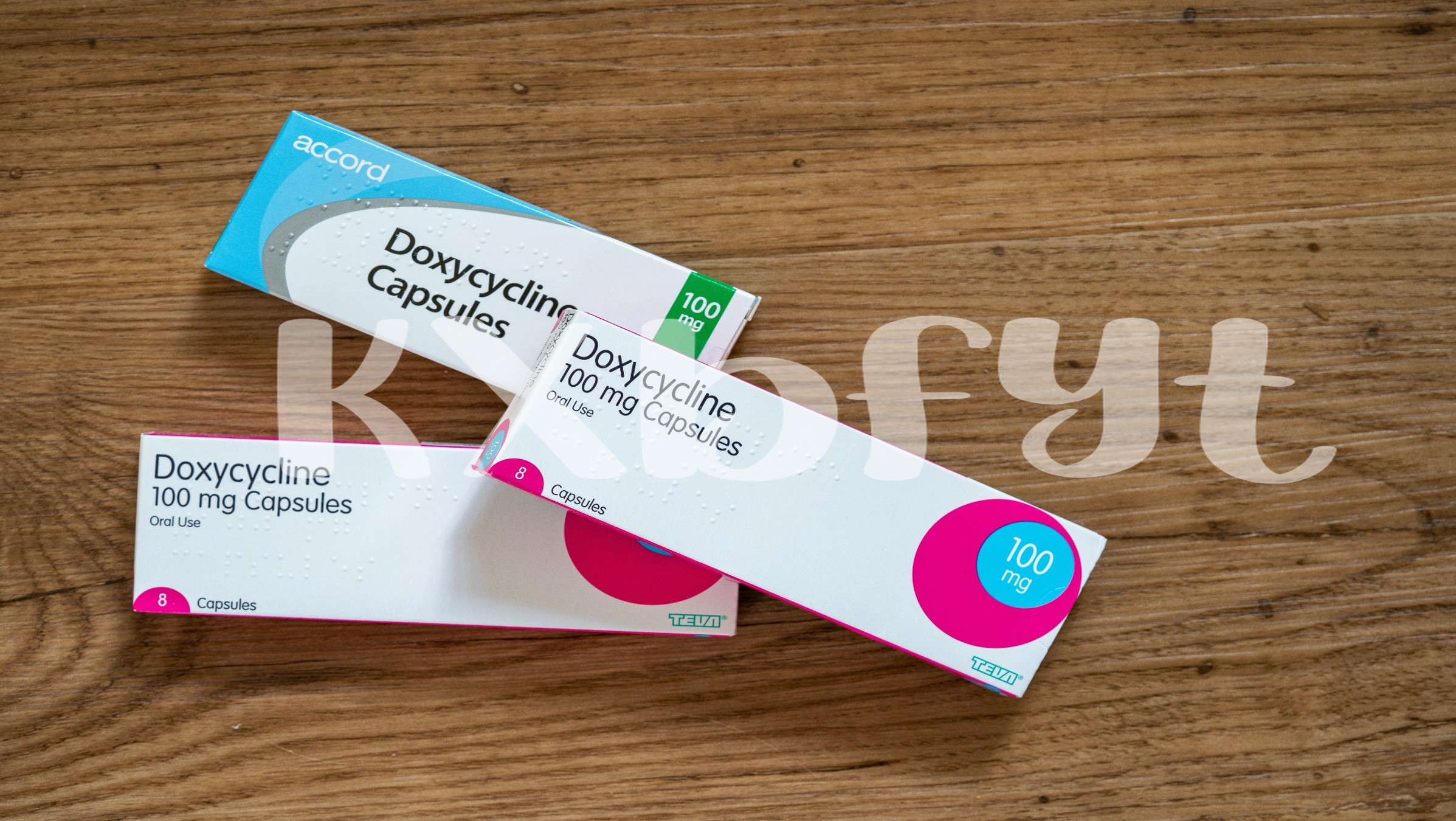
Milk, yogurt, and cheese can sometimes interfere with doxycycline if taken at the same time. Calcium in dairy can bind to the medicine in the stomach and make it harder for your body to absorb. That may leave less of the dose available when you need it most.
Fortified juices, calcium-rich smoothies, and meals heavy in dairy can also matter. A bowl of cereal with milk or a calcium-fortified breakfast drink may be simple habits, but timing can make a difference. Spacing these foods away from doxycycline can help it work more reliably.
If you want the best chance of steady absorption, think about what is on your plate before each dose. Many people find it easier to take doxycycline with water and plan dairy foods for another time. A little planning can help the medicine do its job.
Supplements That Should Not Be Taken Together
Doxycycline can bind to certain minerals in supplements, which may keep your body from absorbing it well. That means a dose may not work as expected.
Calcium, iron, magnesium, and zinc are the main ones to watch. These are often found in multivitamins, antacids, and daily mineral pills, so labels matter.
A simple habit can help: check the supplement facts panel before you take anything. If a product contains those minerals, it may need to be spaced away from doxycycline.
When in doubt, ask a pharmacist how to time your supplements. A quick question can help you avoid an avoidable mix-up.
Common Medicines That May Interact with Doxycycline
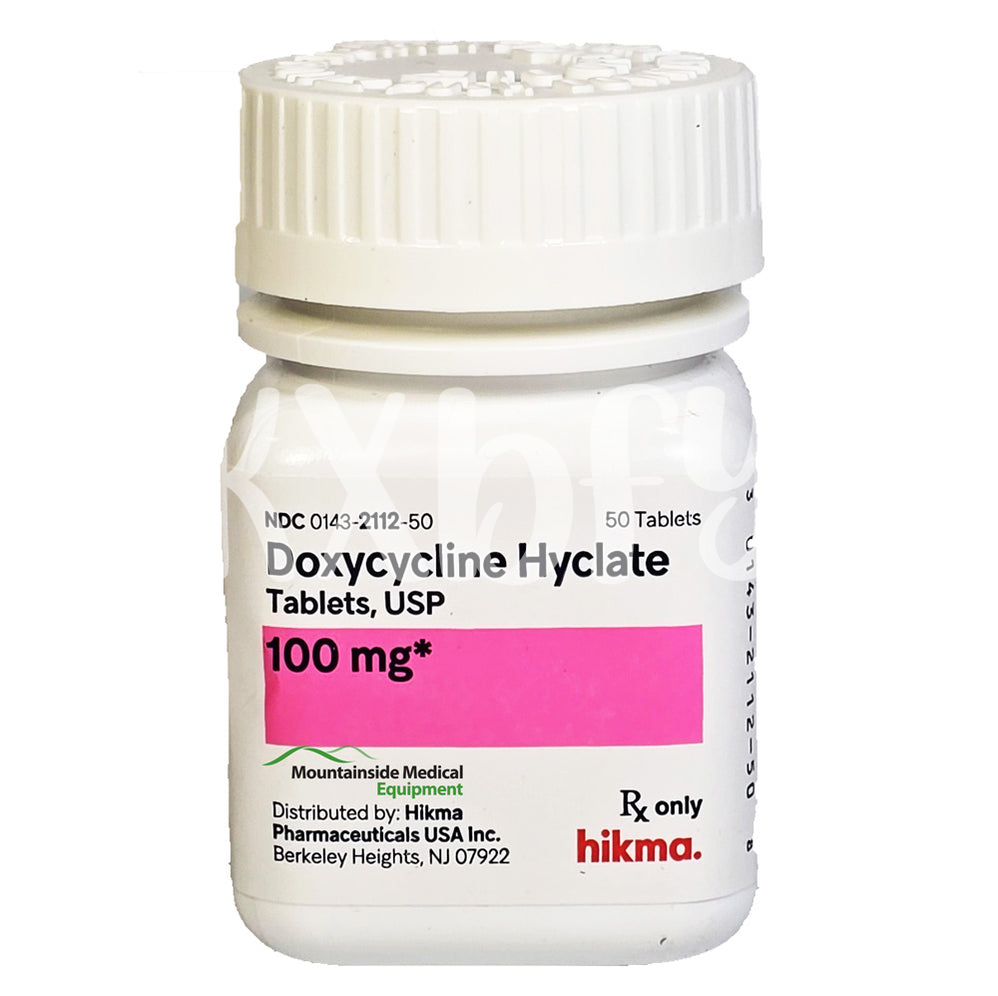
Doxycycline can interact with several common medicines, including antacids, iron supplements, calcium products, and some laxatives. These can bind to the antibiotic in the stomach and make it harder for your body to absorb it, which may reduce its effect. Other medicines, such as blood thinners or seizure medicines, may also need extra attention because they can change how doxycycline works or how your body responds.
That is why it helps to keep an updated list of everything you take, even over-the-counter products. A pharmacist or doctor can check for possible problems and suggest safer timing or alternatives. If you recently started a new prescription, ask before combining it with doxycycline, especially if you take multiple medicines every day.
Timing Strategies for Safer Doxycycline Use
Take doxycycline at the same time each day to build a steady routine. Many people find that breakfast or bedtime works best, as long as it fits the instructions on the label.
If a dose must be separated from food, calcium, iron, magnesium, or antacids, leave a gap as directed by your pharmacist. Water is usually the safest choice.
| Timing tip | Why it helps |
|---|---|
| Use a consistent schedule | Helps prevent missed doses |
| Separate from minerals | May reduce absorption problems |
When routines get busy, phone reminders can help. If you are unsure how to space doxycycline from other products, ask a pharmacist or doctor before taking the next dose.
When to Ask a Pharmacist or Doctor
If you’re unsure whether a food, vitamin, or prescription can be taken with doxycycline, a pharmacist can quickly check for problems and suggest safer timing. That extra step can help you avoid reduced absorption and unnecessary side effects.
Talk to a doctor sooner if you take blood thinners, seizure medicines, antacids, or iron products, or if you have trouble swallowing, severe stomach upset, or new symptoms after starting treatment. Clear guidance matters when several medicines overlap.
Keep a current list of everything you take, including supplements and over-the-counter products. That makes it easier for your healthcare team to spot interactions and give practical advice that fits your routine.
https://medilaw.com/wp-content/uploads/2014/11/png/clomid.html http://neramedprep.org/scripts/css/lopressor.html alethiabio.com/wp-content/uploads/2023/10/jpg/ventolin.html